CHOOSE YOUR CLINIC

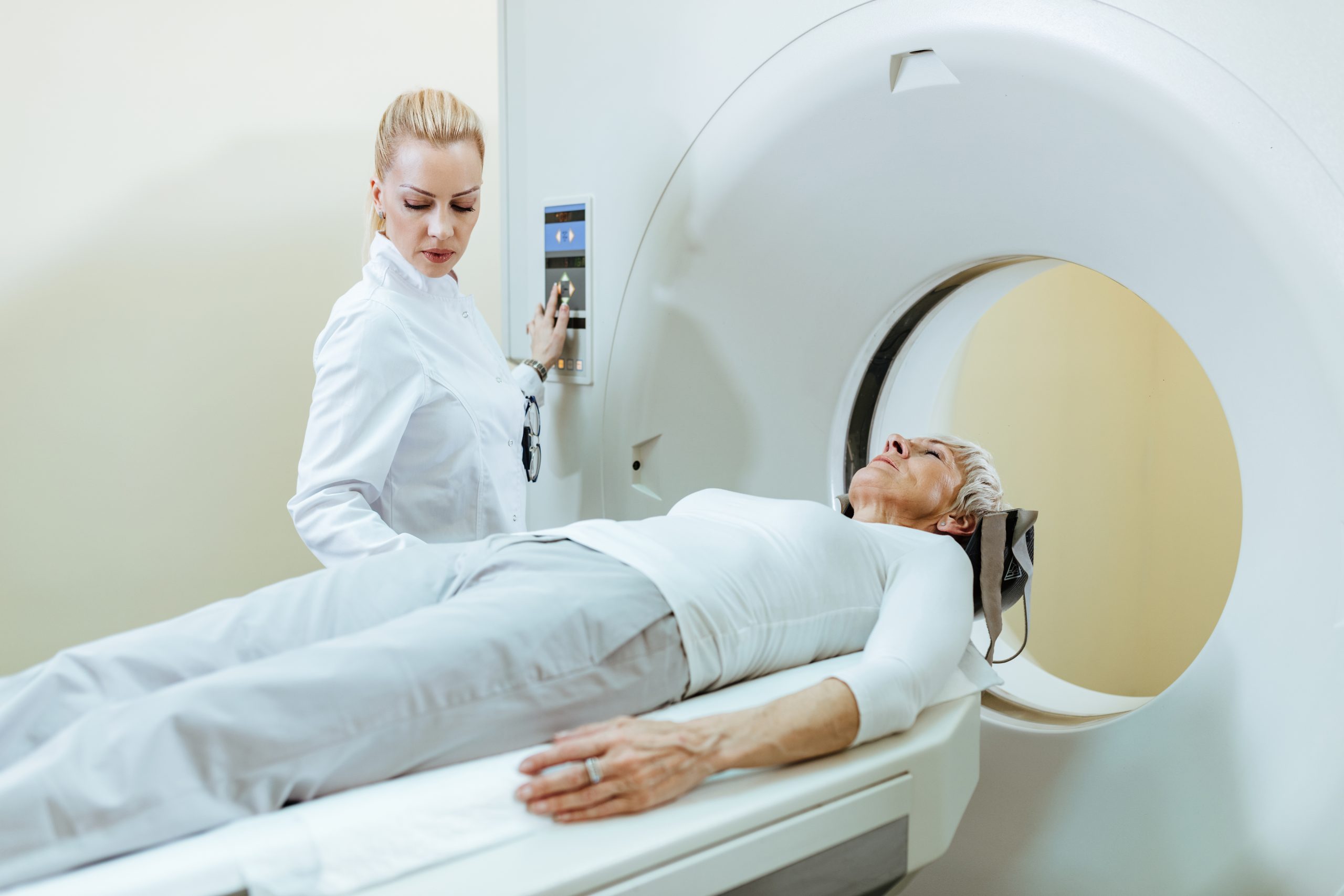
CT scans, or Computed Tomography, uses high energy ionising radiation to create clearer 3D images of the patient’s organs. However, the risk of harm from radiation remains at the time of the CT scan. In this discussion, we will talk about how modern technologies can help reduce radiation during the test.
Key Takeaways
A CT scan is widely recognised as a reliable diagnosis that produces clearer 3D images of your injured organs. According to a Frost & Sullivan report, approximately 375 million CT scans are carried out each year in the world, suggesting how useful the test is. Your doctor may prescribe the test to get a clear picture of your organ, which cannot be delivered by X-ray imaging.
However, the risk of radiation-induced cancers from CT scans remains high. A study shows that the risk of radiation-induced cancer from a CT scan is higher in children than in adults. But you don’t need to worry, modern technologies are evolving to manage the radiation level in the CT scan machines to keep it safe for patients.
In this discussion, we will talk about how modern technologies are helpful in keeping the radiation level on the lower side.
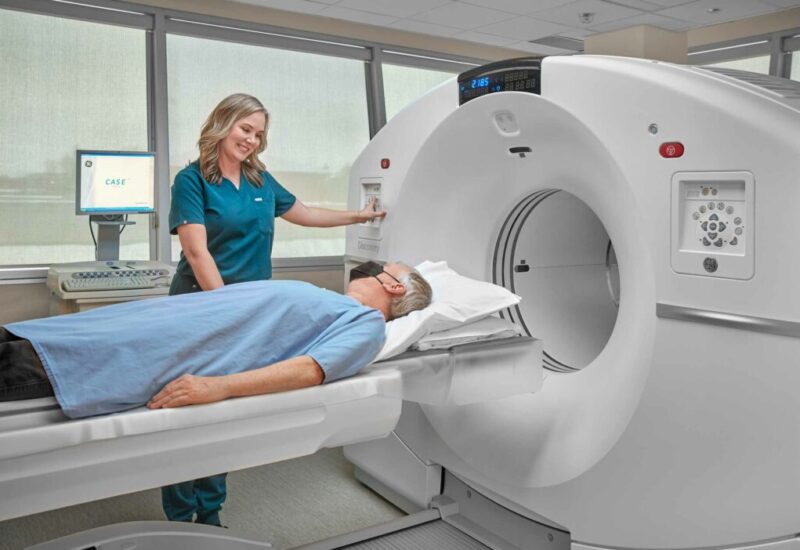
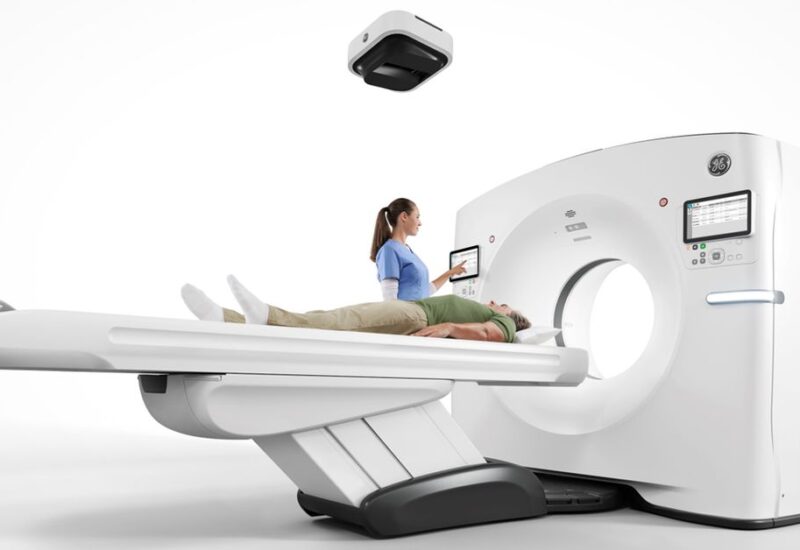
Computed Tomography or CT scan is a non-invasive diagnostic process that uses specialised X-ray machines. The X-ray equipments are attached to computers to create detailed, cross-sectional images of your organs (bones, blood vessels, and soft tissues).
A low-dose CT scan is similar to the traditional CT scan. Only in the LDCT, 90% less radiation is used than in the traditional CT scan. A low-dose CT Scan in Montreal would be a better option for you if you want to keep yourself safe from the risk of radiation.
Now, let’s look at the technologies that help keep you safe from excess radiation during the CT scan.
When you find a low radiation CT Scan in Montreal, you should know that it uses Automatic Exposure Control or AEC technology. AEC automatically eliminates the exposure if the radiation exceeds the preset level.
Additionally, the technology helps the scanners adjust radiation according to the body-size and density of the patient. The technology ensures that only the required amount of radiation is present to get the imaging done safely.
The advancement in computer technologies has allowed the application of image reconstruction in modern CT scans. The modern iterative reconstruction software processes low-quality images and generates high-quality results.
The technology follows a three-step process - input, image reconstruction loop, and output. As the software helps generate high-quality images using low-quality CT scan images, the CT scan machine can perform the test using low radiation.
There is a high chance of using the technology in any safe CT scan in Montreal.
Modern CT scans leverage the targeted scanning protocols. With this technology, scanners are optimised to focus on only the area that is being scanned. As a result, the technology reduces the exposure to surrounding tissues.
Technically, an LDCT uses approximately 1.4 millisieverts (mSv), which is way less than the traditional CT scan machines. A traditional CT scan machine uses approximately 7 mSv. So, when an LDCT is used with a targeted scanning protocol in place, the radiation risk gets lowered drastically.
The level of reduced radiation in the CT scan is lower than that of traditional CT scan machines. Additionally, when the Photon-Counting CT is used, it converts the X-ray photons into electrical signals, resulting in high-quality images with less noise. On the contrary, in traditional CT scan machines, more radiation is used to generate quality images.
When the photon counting technology is used, the number of photons that hit the detector can be counted individually, which enables a more accurate signal to generate clear images.
If you are looking for a CT scan with minimal radiation level, then the use of photon-counting technology is recommended. Generating a clearer image with less energy consumption means the CT scan will not require more radiation. So, you can get yourself scanned in a safe CT scan machine with low radiation.
Advanced CT scan technology enables modern CT scans to operate faster. The faster scanning speed of the machines reduces the risk of getting radiation-induced cancer. Earlier scanners used to take minutes to capture single, low-quality images. On the other hand, modern CT scans can complete a rotation within 250 milliseconds.
With the higher safety, come two most important benefits taht ensures the safety of the patients. These are:
Reduced Beam-On Time: When the machine rotates faster, it essentially reduces the X-ray exposure time. Besides, capturing the diagnostic data faster, the patients do not need to be exposed under X-ray for a long time.
Motion Blur Elimination: High-speed image-capturing technology is required to capture images of moving organs. For example, the technology can be used to capture a clear image of a heart between beats. With such advanced image-capturing technology, there is no need for 'redo' scans, saving patients from the risk of radiation exposure.
The above mentioned technologies are essential when a low-dose CT scan machine is manufactured. Low-dose CT scan in Montreal offers a safer way to monitor health and ensure the well-being of the patients. For example, patients with lung cancer require frequent monitoring; utilising an LDCT ensures proper monitoring and care for the patient.
When patients with lung cancer go through annual screening using an advanced LDCT, it allows doctors tomonitor smaller changes in the lungs. Based on the diagnosis, a suitable diagnosis can be administered.
Modern CT scan machines have become safer compared to the traditional ones. Using advanced technologies like automatic exposure control, iterative reconstruction technology, photon counting, etc, makes the scanner safer for the patients. The low-dose CT scans are even safer for patients with lung cancer. It allows them to safely detect any changes in the lungs during the annual screening.
If you are looking for a CT scan with minimal radiation, book your slot at Diagnostix today. Our CT scan machines are equipped with modern technologies to ensure patient safety.
Studies have found that regular screening can help patients at high risk even before the symptoms of lung cancer appear. LDTC offers a safer way to detect cancer without increasing the risk of cancer in the lungs.
No, the modern CT scan procedure is fast, and it is not painful. This is a non-invasive procedure, just like doing an X-ray.
Contrast dyes are useful in CT scans for generating clear images. However, in lung cancer screening using LDCT, the use of contrast dye may not be necessary.
The ALARA (As Low As Reasonably Achievable) principle refers to a safety guideline that radiologists and technologists follow during a CT scan. They ensure that radiation exposure is kept at the absolute minimum level to obtain the vital diagnostic data.
You do not need to fast or follow a specific diet for a low-dose CT scan. You can eat, drink, and take medicines normally. Remove metal items like jewelry or glasses during the procedure. Wear loose-fitting clothing.