CHOISISSEZ VOTRE CLINIQUE

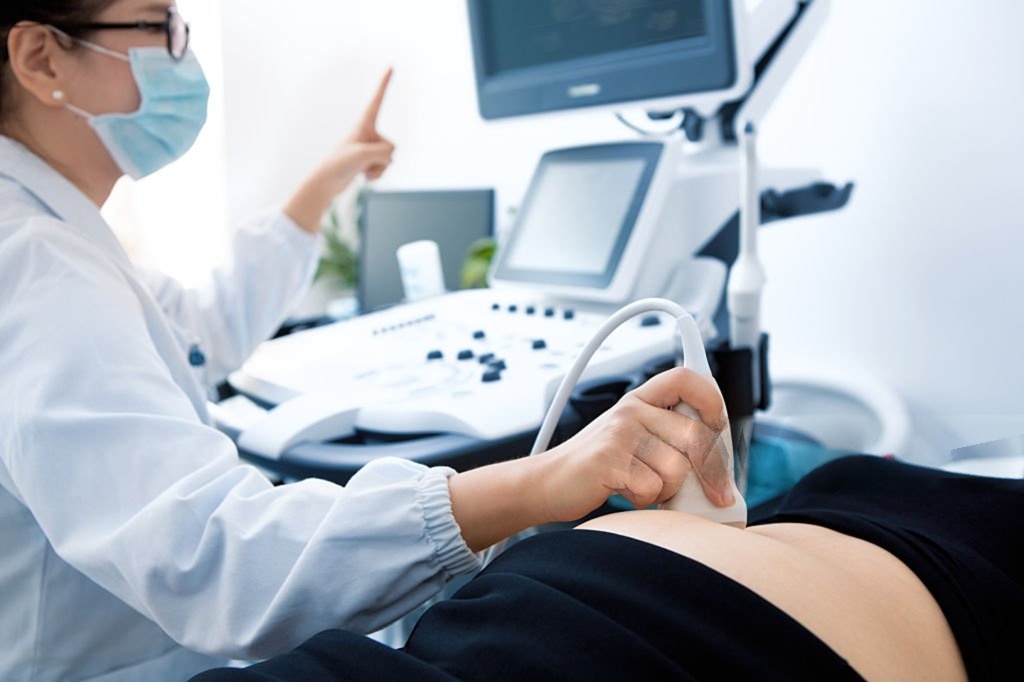
Early disease detection is important to get the right treatment quickly so that better health outcomes can be obtained. Regular screenings are important to detect early disease.
It goes without saying that prevention is better than a cure when it comes to health. However, prevention begins with early detection. Often, diseases develop silently, and you will not experience any symptoms. This indicates the need for early screening.
With a top level of safety and high versatility, ultrasound has emerged as one of the most preferred diagnostic tools in the last few years. This helps to detect a range of diseases. In this article, we will assess the significance of regular screenings while discussing how ultrasound detects early disease.
Early detection means identifying a disease at its initial stages. This increases the chance of being treated. Let’s talk about the detection chances of diseases at different stages.
| Stage of disease | Symptoms | Detection possibility | Prognosis if detected early |
| Early (Asymptomatic) | Often none | High via ultrasound | High recovery chances |
| Moderate | Mild to noticeable | Moderate | Treatable with monitoring |
| Advanced | Severe or chronic | Lower | Needs complex management |
Table 1: Need for early detection
This proves that early detection ensures high recovery chances. Hence, regular screening is important because any disease can be detected even if it is in the asymptomatic stage.
Diagnostic ultrasound refers to a non-invasive imaging test that shows internal organs, tissues, and blood flow via high-intensity sound waves. An ultrasound picture is called a sonogram.
Healthcare professionals prefer ultrasound because it is safe, painless, and radiation-free. Also, this can be used to detect diseases in early stages. Hence, the best possible treatment can be adopted.
Apart from being used to monitor the fetus during pregnancy, ultrasound helps to prevent, diagnose, and monitor various diseases. This makes it an effective consideration in early detection.
Routine scans are vital to detect even the hidden issues like cysts, tumors, and gallstones. A disease can be detected before any symptoms appear.
Visiting an ultrasound clinic in Montreal helps you acknowledge regular screenings. This leads to finding any disease, even if you are not experiencing any signs. Here are the top diseases that can be detected by ultrasound.
| Body area | Conditions screened | Need for early detection |
| Abdomen | Liver disease, gallstones, etc. | Preventing chronic complications |
| Pelvis | Fibroids, ovarian cysts, prostate issues, etc. | Early treatment and fertility preservation |
| Heart and vessels | Plaque buildup, aneurysm, etc. | Reducing cardiovascular risk |
| Thyroid | Nodules, goiter, etc. | Avoiding hormonal imbalance |
| Soft tissues | Cysts, inflammation, etc. | Faster recovery and mobility |
Table 2: Diseases detected by ultrasound
We visit doctors when we witness any symptoms. Right? But what if disease prevention could begin much earlier? This is where ultrasound checkups are necessary. Let’s discuss the top reasons behind considering an ultrasound appointment in Montreal once or twice a year.
You might have no idea of a disease that is present in your body. Health issues, like tumours, cysts, etc., develop silently. Relying on routine ultrasound checkups helps in revealing abnormalities before you experience any symptoms. This ensures better recovery outcomes.
Are you dealing with diabetes, fatty liver, or thyroid problems? If so, frequent visits to any ultrasound clinic in Montreal for a routine checkup are mandatory. Any change in organ size or function over time is tracked. This helps doctors to understand whether the offered treatment is effective.
Ultrasound screenings are preferable to many people because the process is safe, as no radiation is used. This also makes the procedure painless. You might have to wait for a maximum of half an hour to get the test. This non-invasive technique enables your peace of mind.
Treating a disease can be costly, but preventing it is cheaper. A disease identified in its initial stage will put less pressure on your pocket as compared to one that is identified in an advanced stage. This makes ultrasound screenings a cost-effective option.
A full-body ultrasound scan provides a comprehensive overview of organ health. Hence, any hidden health issue is detected. This leads to starting the right treatment earlier. This improves overall patient outcomes.
Ultrasound, if considered for the entire body, analyzes your liver, kidneys, reproductive organs, etc. With real-time monitoring, conditions like kidney disorders or liver cirrhosis are easily detected. Hence, valuable insights into the organs are obtained, and doctors can adopt the right measures.
Do you have a family history of chronic illness? If yes, you need to consider an ultrasound for the entire body. This is because you have a relatively higher chance of getting one.
Initially, you need to make an appointment at an ultrasound clinic in Montreal, either by phone or online. Let’s find out what you can expect from the appointment.
Consult with the doctor for the necessary pre-appointment instructions. Like, you need to drink a particular volume of water to fill your bladder. This lifts the uterus, thereby offering clearer images.
You need to wear comfortable clothes while appearing for an ultrasound. If you have any jewelry in the examined area, you need to remove it.
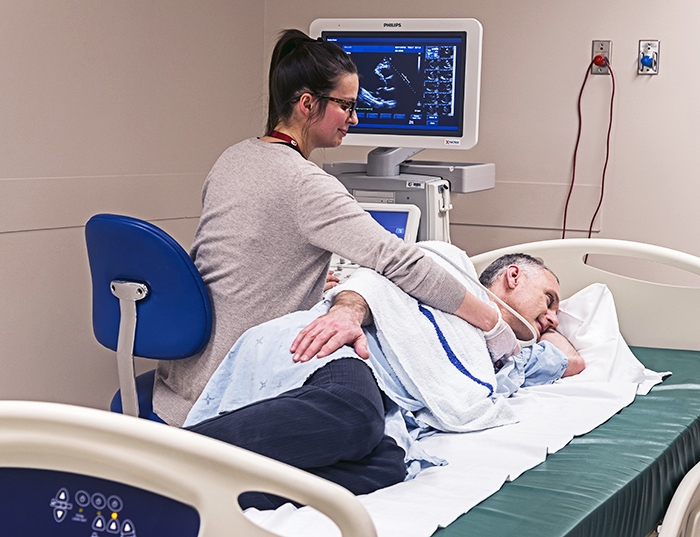
You might have to wear a hospital gown for convenient access to the scanned area. You have to lie on the exam table. The technician applies a gel to the skin so that ultrasound waves are transmitted from the transducer via the gel and into your body.
The probe is responsible for converting electrical current into high-frequency sound waves which are sent into your body’s tissue. The sound waves create real-time images on the computer screen. Once the scan completes, the applied gel is wiped off your skin.
The overall duration of the scan is around 15 to 30 minutes. You are allowed to go home after the test. A radiologist will analyse the result, and it will be shared with your doctor. You can obtain the report on the same day or the day after. Based on the report, the doctor will suggest the next procedure.
Before opting for an ultrasound appointment in Montreal, you need to choose the right clinic. Here are some of the key considerations that you need to prioritize.
Early disease detection helps in adopting the right treatment, thereby ensuring better recovery. Diagnostic ultrasound stands next to none when it comes to early detection. This tool helps to diagnose different diseases, like liver disease, fibroids, cysts, etc. While choosing an ultrasound clinic, you must check the presence of modern equipment and certified radiologists.
Choose a well-known clinic in Montreal that specializes in ultrasound. We offer different types of ultrasounds, under general ultrasound and specialized ultrasound. Book an appointment and get your regular screening done. This helps in detecting any hidden disease.
In general, you must prioritize annual or bi-annual health check-ups. You should consider screening if you experience any unexplained symptoms, like pain, fatigue, or swelling. Scheduling a screening is also considered if you have a family history of chronic diseases.
Ultrasound is not linked to any health harms because the process does not use any ionizing radiation like an X-ray. However, it can affect fluids and tissues in certain cases. Hence, it's better to go for this test only when you need to obtain important medical information.
This depends on the ultrasound type that is suggested to you. If the procedure is applied to scan your abdominal cavity, you will be recommended not to eat or drink for several hours before the test. For a pelvic ultrasound, you need to drink a lot of water to fill up the bladder. You need to talk to your doctor to get clarity on the initial preparation.
Sound waves cannot travel through bone or air. This makes the process less effective at imaging organs that are surrounded by bone, like the head or lungs. Also, this test might fail to locate objects that are present very deep inside the body.