CHOISISSEZ VOTRE CLINIQUE


Both CT scans and MRIs are used to capture images of tissues, organs, and skeletal structures. However, MRI imaging can generate more detailed images of your tissues and their abnormalities. In this blog, we will discuss the differences and benefits of CT scans and MRI imaging.
CT scans and MRI imaging have different purposes in their usage. A CT scan uses X-rays to create detailed images of bone structure. It is most commonly used in emergencies and abnormal issues. On the other hand, MRI scans use magnets to develop detailed images of soft tissues and tumors inside your body.
A doctor can order an MRI or a CT scan, depending on your situation and the purpose of the imaging. Each of the options has a different purpose, and the doctor can prescribe any one to better treat you.
To understand how one differs from the other, we should start the discussion by understanding what they are. So, let’s start the discussion without further delay.
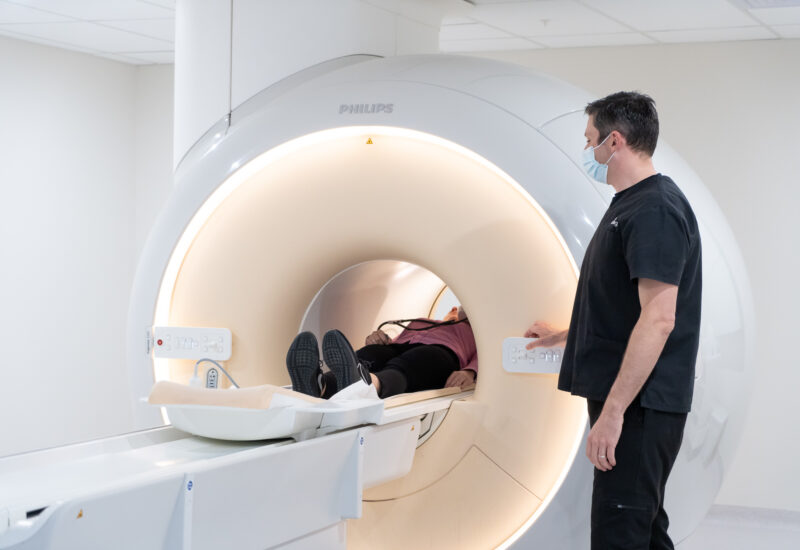
The full form of MRI is Magnetic Resonance Imaging. It uses a strong magnetic field and radio waves to create a detailed image of your body tissues. Besides, the MRI imaging is also used to create detailed images of your soft tissues, like the brain, muscles, joints, and spinal cord.
For example, if you are suffering from a bulging disc, leading to significant pain in your lower back that travels to your legs. The doctor will prescribe you an MRI of the area with pain. It captured a detailed image of your discs and helped the doctor understand how grave the issues are. Among other types of medical imaging, MRI is the one with the capability of capturing images of soft tissues like spinal discs.
Let’s look at the benefits of MRI
CT scan stands for Computed Tomography scan, and it is a medical imaging process that uses X-rays and advanced computer technology for creating detailed and clear images of your body.
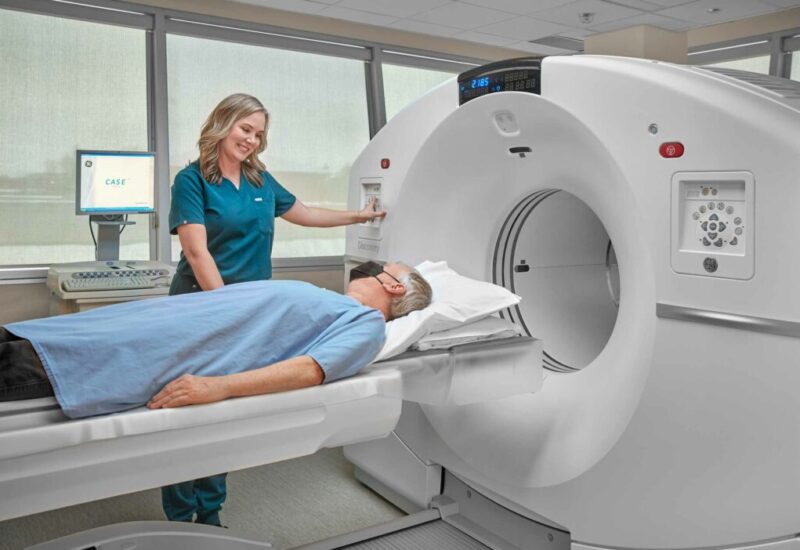
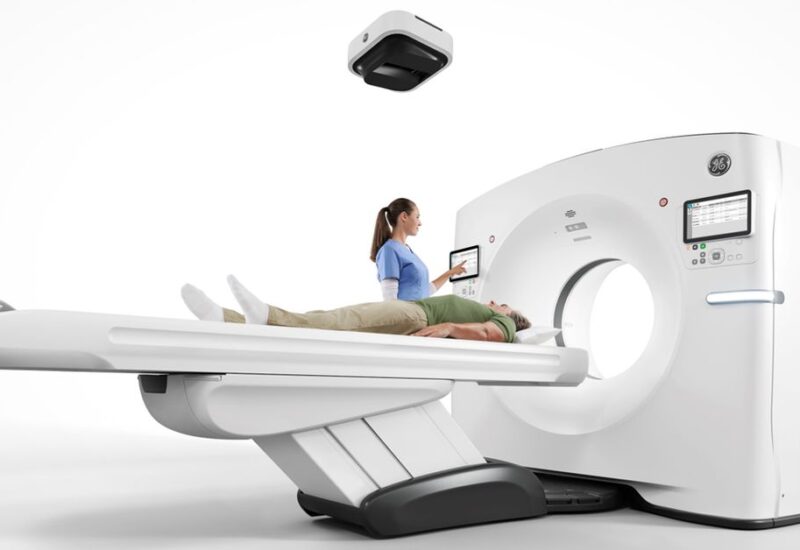
The CT scan works by taking images from different angles and then combining all the pictures to develop a detailed image of your bones or organs. The patient lies on the table, and a rotating X-ray tube goes around the table and takes multiple images of the patient's organs or internal structure.
A CT scan uses advanced technology to develop ‘slice-like’ imaging and can also develop 3D images of your organs.
Now, let’s look at the benefits of a CT scan:
Now that we understand what a CT scan and an MRI are, let’s take the differences.
One of the differences between an MRI vs CT scan is radiation. Unlike CT scans, MRIs do not use ionizing radiation, which could be harmful to patients if not handled carefully. The magnetic field used in the MRI scan works by aligning the protons of your body and the radio waves used to knock them out of alignment. The real work happens afterwards when the protons relax and release energy, which the MRI machine detects and generates a clear image of your organs.
On the other hand, the CT scan uses ionising radiation to generate images of bones or other organs in your body.
MRI and CT scans are the two types of medical imaging systems that can be used for different purposes. For example, MRI can be best used for developing brain, muscle, and joint images. On the other hand, a CT scan is the best option to take images of bones and other organs.
When it comes to the speed of getting the imaging done, there are differences. MRI can take approximately 20 minutes to an hour to get the procedure done. However, it depends on the type of issues you are suffering from or the area of your body being examined.
On the other hand, CT scans are quicker than MRIs. You can literally complete the CT scan imaging process within a minute. Go to a reliable clinic to compare MRI vs CT scan in Montreal to measure the total time taken in each procedure.
MRI scans are generally more expensive than CT scans. If you need to get the imaging done, go to a private MRI clinic in Montreal, and you can get it done by a professional.
| Feature | MRI | CT Scan |
| Radiation | No radiation | Uses ionizing radiation (X-rays) |
| Imaging Focus | Soft tissues (brain, muscles, joints) | Hard tissues (bones, organs, internal injuries) |
| Scan Duration | 20-60 minutes | 5-15 minutes |
| Cost | More expensive | Typically less expensive |
| Safety | Generally considered safer for soft tissue imaging | Safe for bones and organs, but higher radiation risk |
Table 1: MRI vs. CT Scan Comparison
Now, if you ask - “Which is safer, MRI or CT scan? A general answer to the question would be - MRI is safer because it does not use ionising radiation.
Now, let’s take a look at the common conditions where MRI can be used.
Doctors might order an MRI to detect brain tumors, multiple sclerosis, stroke, and spinal cord injuries.
Joint tears, ligament damage, and herniated discs can be identified very well by doing an MRI.
An MRI is also beneficial in detecting different cardiac conditions like - heart tissue damage, etc.
As it can detect the condition of soft tissues, soft cancer tissues can be detected with an MRI.
Let’s take a look at the common conditions when a CT scan can be used.
It can be used to identify broken bones and traumatic injuries. It can also be used to detect internal injuries.
It can also be used to detect issues with the lungs and certain bone cancers.
Doctors can order CT scans to identify issues with coronary artery disease and also pulmonary embolism.
Preparing your patient for a CT scan and an MRI requires special preparation. Let’s take a look at them one by one.
If your doctor has ordered a CT scan or MRI, look for a reliable private clinic in Montreal. Consult with the technicians and learn the process to prepare your patient for the scan. You might have to stay on an empty stomach for the process, but it can vary depending on what your doctor has ordered - an MRI or a CT scan.
The MRI machine produces noise as a byproduct of electrical pulses within the machine. To make the patient safe from the noise, earplugs are provided.
No, it is not safe to bring your belongings into the MRI room. The magnet used in the MRI machine is approximately 13 times more powerful than the magnets used to pick cars in a junk yard. So, it's better to keep your belongings out of the room.
You should not move when you are on the CT scan table and the images are being captured. You should remain still while in the table, as it will not generate any blurry image.
It is a substance that is given to highlight a particular part of your body. You might be given it by mouth and through intravenous injection. Remember that it is natural to feel warm in the area.