CHOISISSEZ VOTRE CLINIQUE

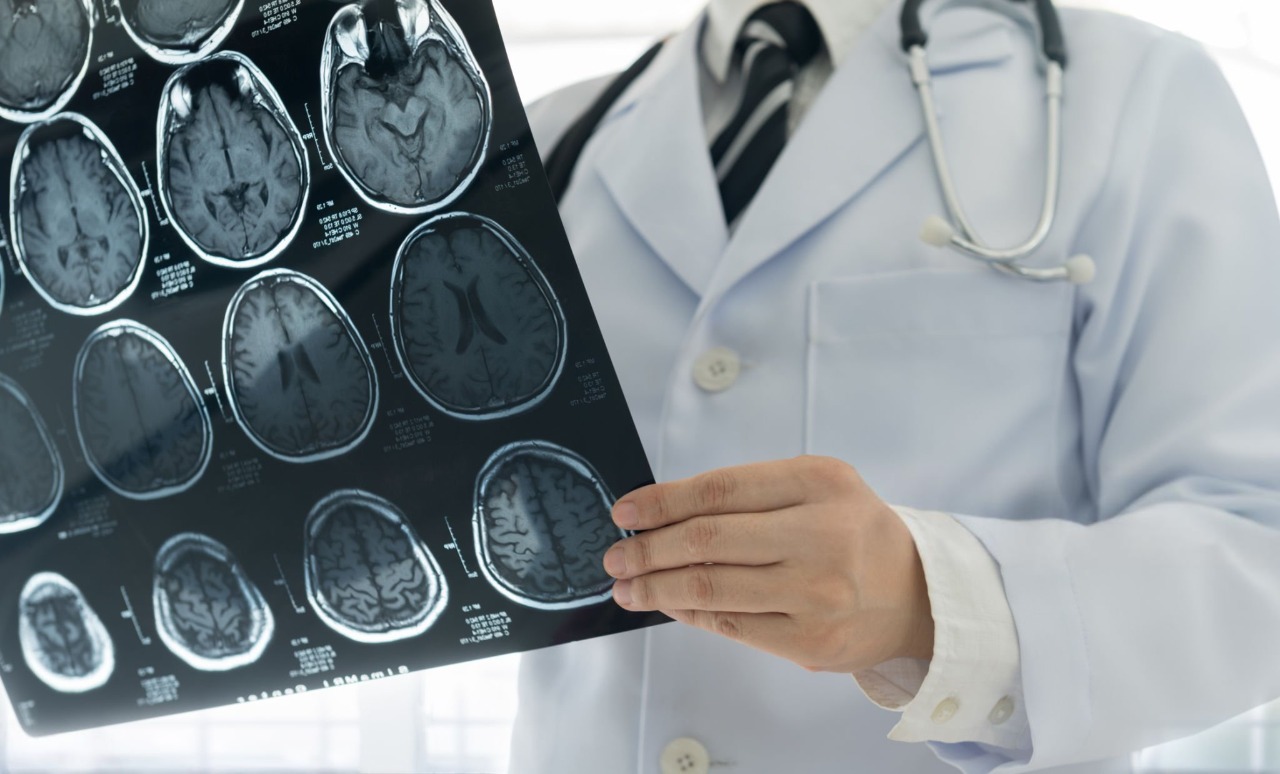
If you want a quick diagnosis of brain strokes, then a CT scan might be the best possible option for you. The doctor will suggest a CT scan to understand the present condition of the brain and get the treatment started quickly. Don't have much idea about CT scans and how they help in brain strokes? Read out following discussion.
A CT scan or computed tomography scan uses X-rays and creates high quality and clear image of your body parts, cross-sectional images of the body. It helps doctors identify the cause of the problem and take immediate measures for any injuries or abnormalities in your body.
Even if you have internal bleeding or a blood clot, a CT scan can clearly identify the area with the issue. If an immediate operation is required, doctors can take immediate measures for that. Before we start the discussion on how CT scans help with stroke and brain injury diagnosis, let’s see what a CT scan is.
A CT scan is also known as a CAT scan (computed axial tomography), is a type of imaging test that uses X-rays to generate a high-quality image of organs. A special computer and X-ray are used to create clear and cross-sectional images of your organs, bones, and soft tissues.
With multiple X-ray images combined, a CT scan helps create a 3D image of your organs. It helps the doctor to clearly see the condition of the organ. In the case of a head CT scan, it generates a clear image of the head and lets the doctor see the condition of the organ.
Let’s see how CT scans help diagnose brain strokes.
If your doctor suspects a brain stroke, then he will advise you to get a brain CT scan done. With accurate and fast diagnosis, an emergency CT scan helps accurately diagnose the condition of the brain. It also helps doctors determine an accurate treatment plan.
The scan can help two types of stroke conditions:
In the case of ischemic stroke, a blood clot blocks the blood vessel in the brain. An ischemic stroke diagnosis imaging can help doctors accurately identify the area with abnormal blood flow. However, the ischemic strokes may not immediately show up in the CT scan, but the scan can eliminate other causes of brain strokes.
In the case of hemorrhagic brain stroke, a blood vessel ruptures and starts bleeding in the brain. With an emergency CT scan, the area in the brain where the bleeding is happening can be detected. It allows the doctors to take an immediate surgery plan and prepare for it.
In the case of brain strokes, time is of the essence. So, an emergency CT scan can help save crucial time and take immediate measures for treatment.
There is enough reason for doctors to prefer CT scan imaging for brain injury imaging. These are the reasons that a CT scan comes at the top to diagnose brain strokes:
Not all brain strokes are ischemic or hemorrhagic strokes; some may occur due to a tumor in the brain, abscesses, or infections. With the head CT scan, doctors can eliminate other causes of brain strokes and identify the right cause for it.
Another reason for CT scan imaging to be essential to diagnose a brain stroke is that it is non-invasive. It can tell the doctors what the issue actually is and the exact place of the issue. Based on the diagnosis, doctors can decide if an invasive procedure is needed or not.
A CT scan for stroke is the ideal way to diagnose if there is really a stroke in the brain. If a stroke is suspected, a quick diagnosis can be made with an emergency CT scan.
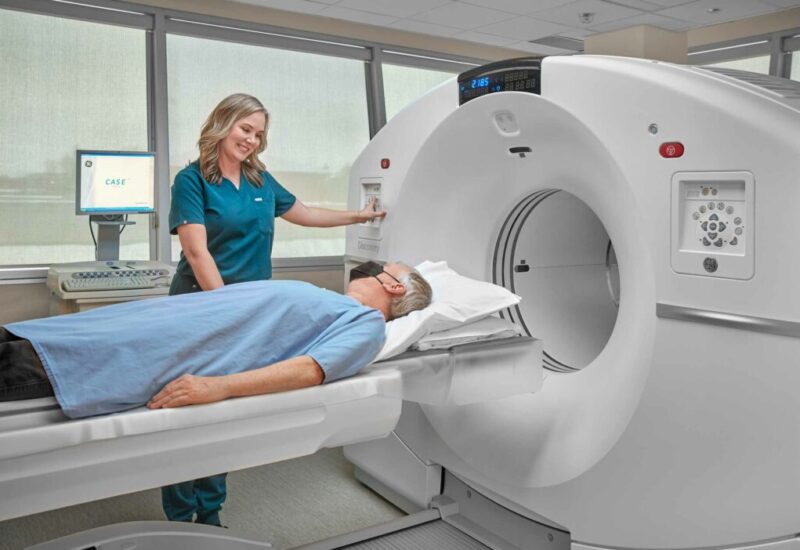
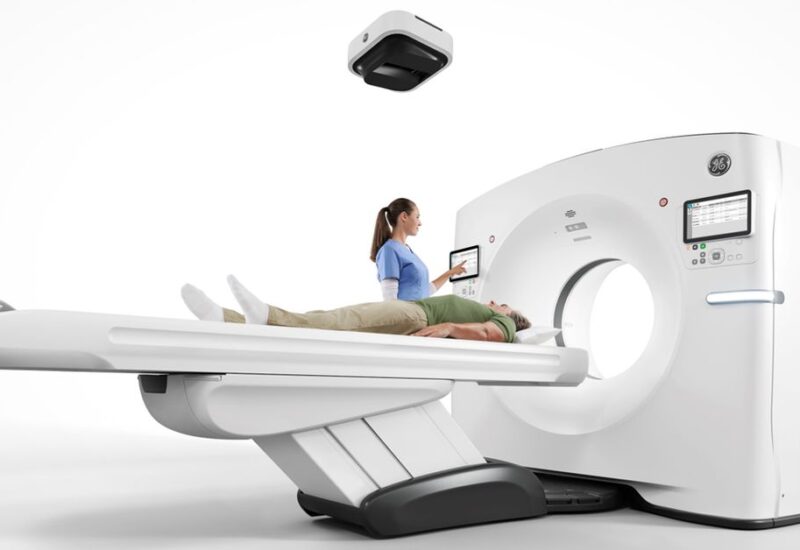
The operator or technologist will ask you to lie flat on your back on the CT table. To maintain correct body position, you may be given a pillow and strapped to the table. It helps you keep still during the scanning.
You might be asked to use contrast material to make the image clear. The only thing you need to keep in mind is not to move your body and follow the instructions given by the operator.
The table may start moving to select the correct starting point of the scan. Don't panic, it is a natural process. Stay still while your organ is scanned using X-ray, and 3D images of the scan are generated.
CT scans for stroke or brain injury are painless, as the process is non-invasive. However, you might feel slightly uncomfortable as you will have to lie still for some time. If you are claustrophobic, you might also feel slight discomfort. In that case, consult the doctor or the health workers available. They might help you with this discomfort through counselling.
If you have been injected with contrast material, you may feel warm in the vein. However, the doctor will ask if you have any chronic kidney disease before using the contrast material.
The risks are limited compared to the benefits of a CT scan. However, you should still keep the following things in mind:
There are not many limitations of a CT scan, but if the patient is overweight and of large size, then they may not fit into the CT scan table.
CT scanning offers accurate and fast imaging of the brain. If there is a sign of a blood clot or an abnormal flow of blood in the brain, then the scanning can accurately identify it.
In case you have an emergency, get in touch with DiagnostiX and get an emergency CT scan of the patient’s brain.
Yes, you need to take some precautions before going for a CT scan. Tell your doctor if you are pregnant, allergic, or have nay time of medical issues. Alternatively, if you need a contrast dye to help doctors detect any abnormalities in a specific organ, then comply with the fasting and hydration instructions provided by the technician.
Your doctor and technician will determine if you need contrast dye to get the head CT scan done. The contrast dye helps enhance the quality of the image. However, if you have an allergy or kidney issues, get your doctor informed about it.
Yes, it is safe for the children to undergo a CT scan. However, doctors advise it if no other options are available due to radiation sensitivity.
A CT scan is not an invasive process, so it is not painful. However, if you are claustrophobic, you might feel a bit of discomfort for the first time, but with the help of positive counseling from the technicians, you will feel no discomfort at all.