CHOISISSEZ VOTRE CLINIQUE

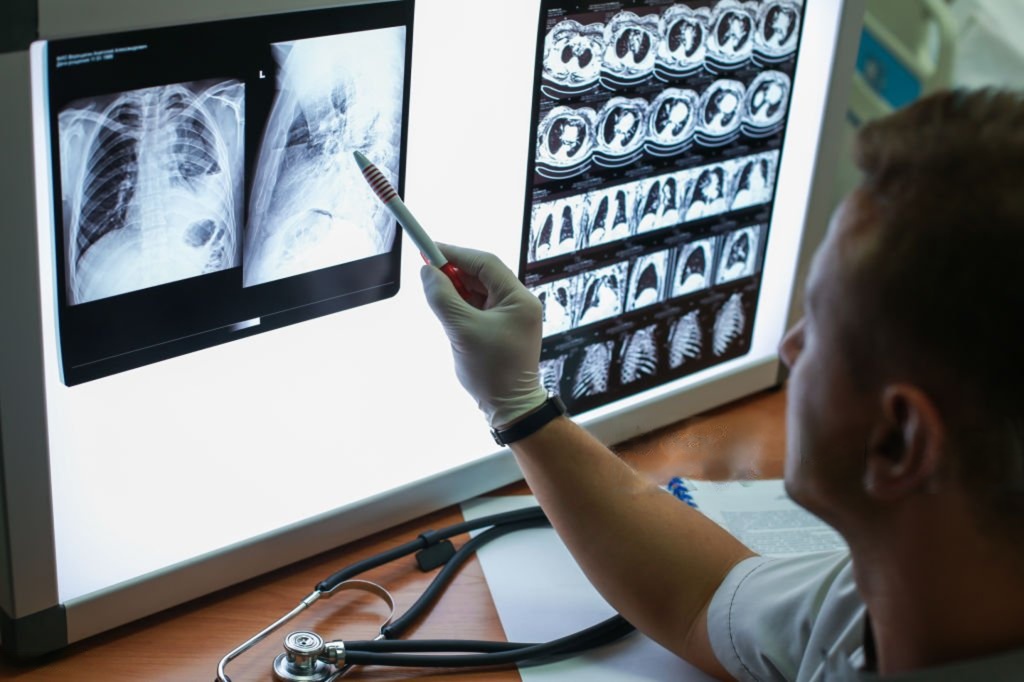
Early detection can make all the difference when it comes to addressing serious health conditions. This is especially true in the case of the detection of heart and lung conditions. On that basis, this blog will look into the CT chest scan and how it can be effective in the early detection of heart and lung conditions.
A CT chest scan uses X-rays and a computer to create detailed and cross-sectional images of the chest and its content. So, is it more convenient and detail-oriented compared to the standard X-ray? And what is it used to diagnose? It is these questions that this blog will attempt to answer.
In general terms, a CT chest scan can be defined as a non-invasive imaging procedure using X-rays and computer technology. This technology helps create detailed, cross-sectional (slice-by-slice) images of the chest cavity, including the lungs, heart, blood vessels, and bones.
So, if you are looking for a chest CT scan Montreal and are wondering how does CT chest scan work? It essentially works by using a rotating X-ray beam to take several cross-sectional slice images of the chest which are then assembled by a computer, creating detailed images.
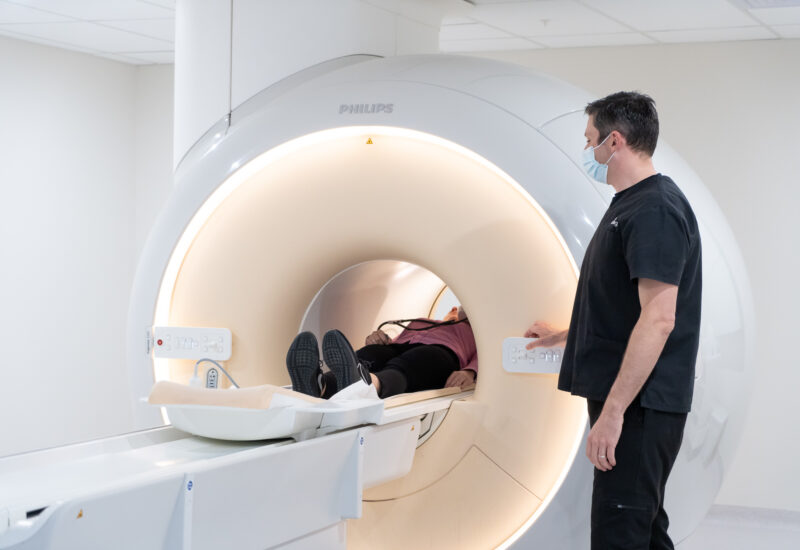
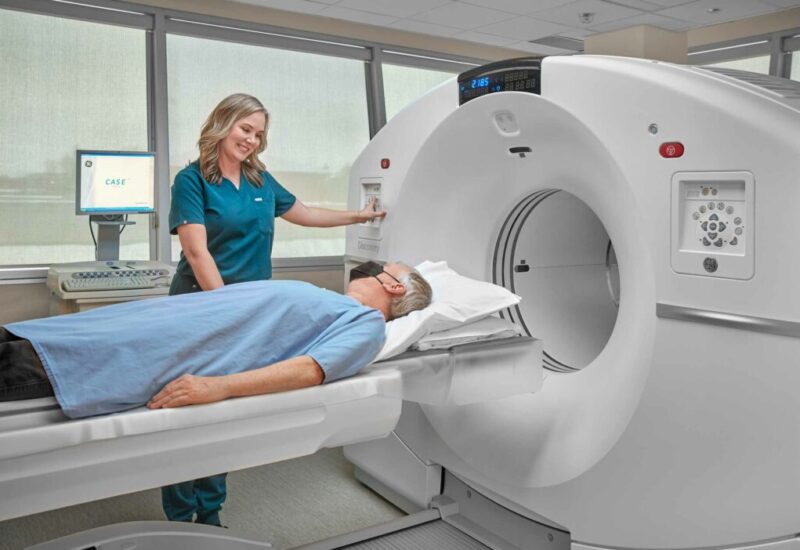
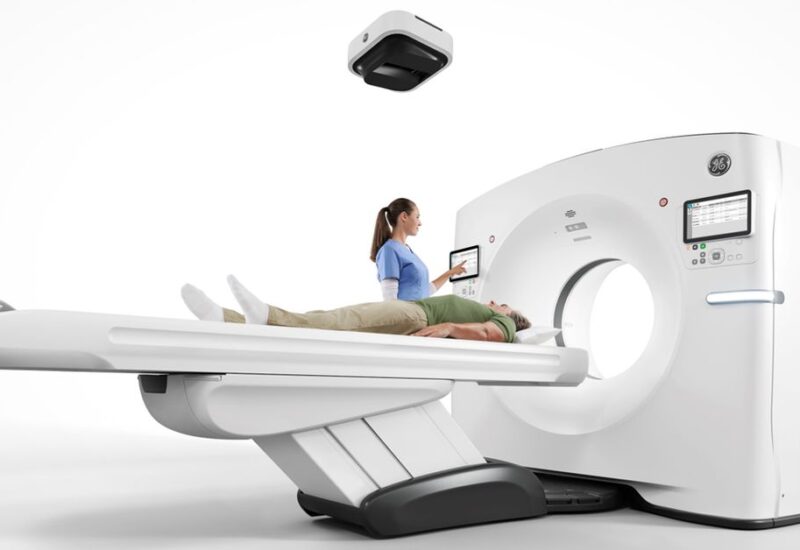
Now, to explain the basic process: a patient is asked to lie on a table, and it slides into a doughnut-shaped machine. Now, this machine rotates around the body, taking multiple X-ray images from different angles. A computer then processes these captured images into detailed views, both in 2D and 3D.
Moreover, while a chest CT scan implies taking general X-ray images of the chest, it can also be used for specific purposes, as implied in the lung CT scans and the heart CT scans.
When discussing the chest CT scan, it is impossible to ignore the contrast and non-contrast scans. These are forms of the chest CT that offer a more detailed look into the cross section of the chest to identify issues and perform early diagnosis of possible abnormalities, such as tumors and diseases.
And to explore the primary differences between the contrast and the non-contrast CT scans, here’s a chart diving deep into the key aspects of comparison:
| Feature | Contrast CT | Non-Contrast CT |
| Contrast Medium | An iodine-based dye is administered. | No dye is used. |
| Area of Highlight | Highlights organs, blood vessels, and soft tissues to make abnormalities more clearly visible. | Focuses on image creation due to natural tissue density difference. |
| Primary Uses | Tumors, cysts, infections, inflammatory conditions, cancers, and organ damage. | Head trauma, lung screening, kidney stones, and so on. |
| Speed | Can be time consuming due to the time taken for contrast administration. | It is generally fast. |
| Risks | Some patients might show signs of allergic reaction to the contrast dye. | It carries no risk of any form of allergic reactions. |
Table 1: Contrast vs. Non-Contrast CT
On the topic of understanding what a chest CT scan is and differentiating between key measures, it can often be confusing to see how it is different from a chest X-Ray. With that in mind, now let’s seek the help of another chart to explore the primary differences between CT chest scan and X-ray:
| Feature | Chest CT Scan | Chest X-Ray |
| Image | Detailed 3D images taken from several angles. | Single and flat 2D images. |
| Suitable For | Detailed soft tissue examinations, and for the diagnosis of complex conditions. | Basic checks for bone condition or lung infections. |
| Procedure Duration | 10 to 30 minutes. | Usually only a few minutes. |
| Cost | Higher costs | Lower costs |
| Accessibility | Less accessible | Widely accessible |
Table 2: Chest CT Scan vs. X-Ray
Now that the basic, important concepts related to the chest CT scan are discussed, let’s now move on to the primary purpose it serves. And, speaking of the main purpose, the chest CT scan is majorly used as a tool for the early detection of lung conditions. This application is generally because of the CT scan's effectiveness in spotting abnormalities before symptoms appear.
Thus, the common lung conditions it detects are:
So, if you are concerned about showing the symptoms of any of these aforementioned lung conditions, it’s better to be safe with a private CT scan in Montreal.
Apart from the early detection of the lung condition, another notable skill of the CT chest scan is to be able to detect heart and vascular conditions offering valuable information about your cardiovascular system.
So, what are the most common heart and vascular conditions that this type of chest scan can detect?
Thus, if you are looking for a CT scan for the proper detection and on-time diagnosis of any heart and vascular condition you may be concerned with, it’s better to ask your private diagnostic clinic Montreal to recommend this scan.
So, what we can conclude about the chest CT scan is that one of its primary purposes is the early detection of issues in the heart or the lungs. But why is early detection important? What are the key desirable benefits of early detection in the case of any medical condition?
Let’s look into a basic outline of why that is an ideal consideration:
Therefore, it is for the best that whatever the condition may be, it is detected early, and a CT scan radiology Montreal will be your best bet for an early and thorough diagnosis.
CT chest scans have a critical role in providing detailed insights into chest health. They can provide early, targeted and accurate diagnosis that leads not only into proper treatment, but offers better recovery chances, and often preventive treatment measures.
If you feel the concern of a potential lung or heart condition that you would need a chest CT scan, it is more accessible than you think! However, before you commit to that decision, it’s the best course of action to first speak to your healthcare provider, and discuss if that is the way to go for your health needs.
It is generally considered that for a full body scan, every vital section of the body is screened and imaged. Therefore, a full body scan in Montreal, or any other place in Canada, generally also considers a chest CT scan.
Yes. Radiology clinics anywhere would commonly offer chest CT scans. CT is a core service in the field of radiology, which implies that radiology clinics come well-equipped with the correct equipment.
At specialized radiology clinics and in hospitals all over Montreal, an urgent CT scan is an available option. This is particularly true during emergencies, and are equipped to handle immediate needs.
It usually depends on the needs of the patient. Unless a chest CT scan is recommended by the physician, it doesn’t necessarily have to be the more suitable option. In some cases, a chest X-ray is a better option.