CHOISISSEZ VOTRE CLINIQUE


Has your doctor advised you to go for an abdominal ultrasound test? But you are in the dark about what the test is, how it is done, and what the risks are. Don't worry, in this guide, we will talk all about the abdominal ultrasound process and how it helps in medical treatment.
An abdominal ultrasound is a diagnostic process that has been in use for a long time to detect abnormalities in the patient’s abdominal area. The name of the test comes from the body part where it is used to detect issues. Your doctor can also advise on the tests to be used to detect issues in the kidneys, heart, blood vessels, and other areas.
Let’s start the discussion by understanding what the test is.
In simple words, an abdominal ultrasound scan is an imaging test. This advanced imaging test uses high-frequency sound waves and helps generate pictures of the organs in the belly. Doctors advise the test to see if there are any abnormalities in your belly and inside organs like, liver, gallbladder, pancreas, spleen, kidney, and more.
You may be puzzled to read words like 'high-frequency sound waves' and others, but the procedure is simple, and it takes little to no time to get yourself ready.
A doctor will advise you to get an abdominal ultrasound test if you have been suffering from pain, burning irritation, or any discomfort in your belly.
Moreover, the test is commonly suggested to pregnant women to check the health of the fetus during pregnancy. If you are a pregnant woman, your doctor will suggest that you get an abdominal ultrasound done periodically to see if your baby is in good health.
Imagine you have been suffering from abdominal pain for quite some time, and you or the doctor is not sure about the cause of the pain. Then the doctor might suggest that you get the abdominal ultrasound procedure done.
After the procedure is done, it can identify if there are any abnormalities, like:
An abdominal ultrasound scan can also be done to detect issues like an abdominal aortic aneurysm. An aortic aneurysm is the enlargement of the lower part of the body's main artery, named the aorta. An abdominal aorta ultrasound is recommended for men between the age of 65 to 75 to detect an aortic aneurysm.
But how does the test help detect any medical issues? Let’s find out in the following section.
The abdominal ultrasound uses high-frequency sound waves that you cannot hear. It is used to generate a picture of the soft tissues inside your body, in this case, inside your belly or abdomen. A transducer is used in ultrasound that converts electrical energy into high-frequency sound waves, and it is sent into your body. When the sound waves return from the soft tissues, the transducer converts them into an electrical signal and creates an image of the organ inside your belly.
The technical process is the same for any kind of ultrasound process.
The preparation process for the abdominal ultrasound procedure is pretty simple. Generally, you will need a clear stomach, and your intestines should not contain any waste materials inside. This is why your doctor may prescribe you a purgative the night before the test.
Besides, the technician might ask you not to eat or drink heavily for a few hours before the test is done. It will help keep your abdomen clear and help generate a clean image of your abdomen. In some cases (like when the patient is pregnant), you might be asked to drink some water. Or, you might not even need to prepare for the test at all.
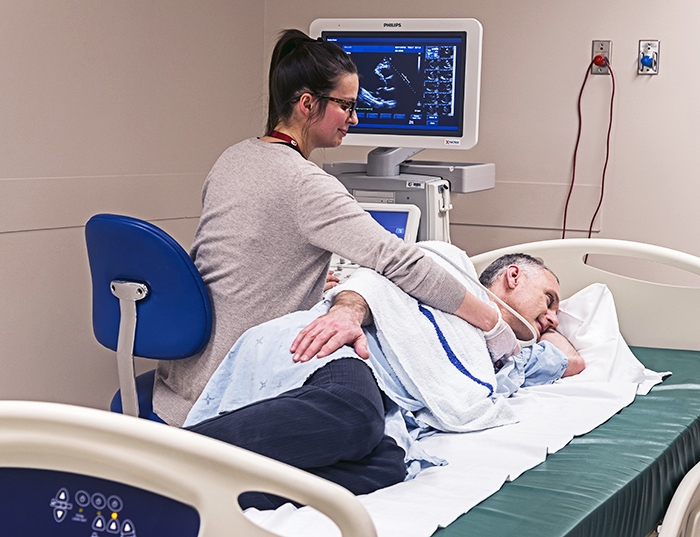
The abdominal ultrasound is a non-invasive imaging test, so you don't have to worry about its negative side effects. The technician will ask you to remove your shirt or clothes and wear a hospital gown. Then the test procedure will go on using a few steps:
Step 1: To get the test done and move the transducer on your belly smoothly, a gel will be applied to your abdomen. It will not irritate your skin; rather, it might feel a bit cold on your skin.
Step 2: Then the technician will gently move the transducer over your abdomen. They might move the ultrasound transducer back and forth to generate a clear image of your internal organs.
Step 3: Follow the instructions for the technicians at all times during the procedure. You might be asked to hold your breath for a few seconds or turn to one side. These are all done to get a good look at your organs inside your belly.
Step 4: At the end of the abdominal ultrasound procedure, clean your belly with a soft tissue or cloth, and your test is done. It might take a few days to give you a complete report of the ultrasound.
As you already know that the process is pretty simple and basic. So, it will not take much of your time. You can expect the test to be over within 15-30 minutes.
If your doctor has advised you to get an abdominal ultrasound, then you can ask the following questions:
If your doctor has advised you to get an abdominal ultrasound done, you should get in touch with DiagnostiX as soon as possible. It may be an abdominal ultrasound or another type of ultrasound; our technicians can offer the best care to you.
No, abdominal ultrasound is not painful, and it is not an invasive procedure. However, if the technician presses the transducer hard on the abdomen, you might feel a bit of discomfort. Otherwise, the procedure is painless.
An abdominal ultrasound carries no side effects or risks because it only uses sound waves. This is why an abdominal ultrasound is perfectly safe for even pregnant women. However, the minor discomfort due to the transducer's pressure on the bladder can be neglected - it is not that severe.
For an abdominal ultrasound, you cannot eat for at least 6 to 12 hours before the test. You may only drink water; otherwise, food or gas can obscure the view, and the image will not be clear.
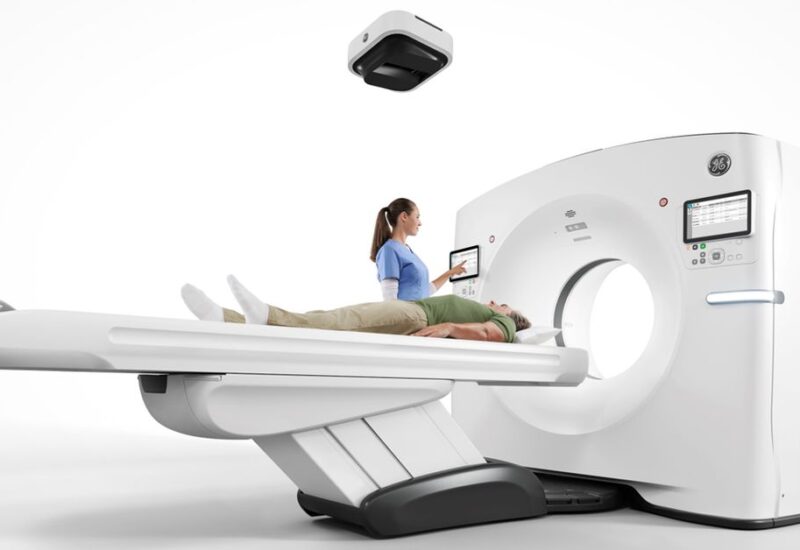
An ultrasound offers a real-time image of soft tissues and fluids, which is excellent for abdominal check-ups. On the other hand, a CT-scan uses X-rays to create high quality images of organs and cross-sectional body parts. It is most suitable to detect complex medical conditions like tumours.
Moreover, ultrasound is radiation-free, and a CT scan uses radiation.